Beyond the Depot: How Defense-Ready Digital Manufacturing Is Transforming Military Readiness
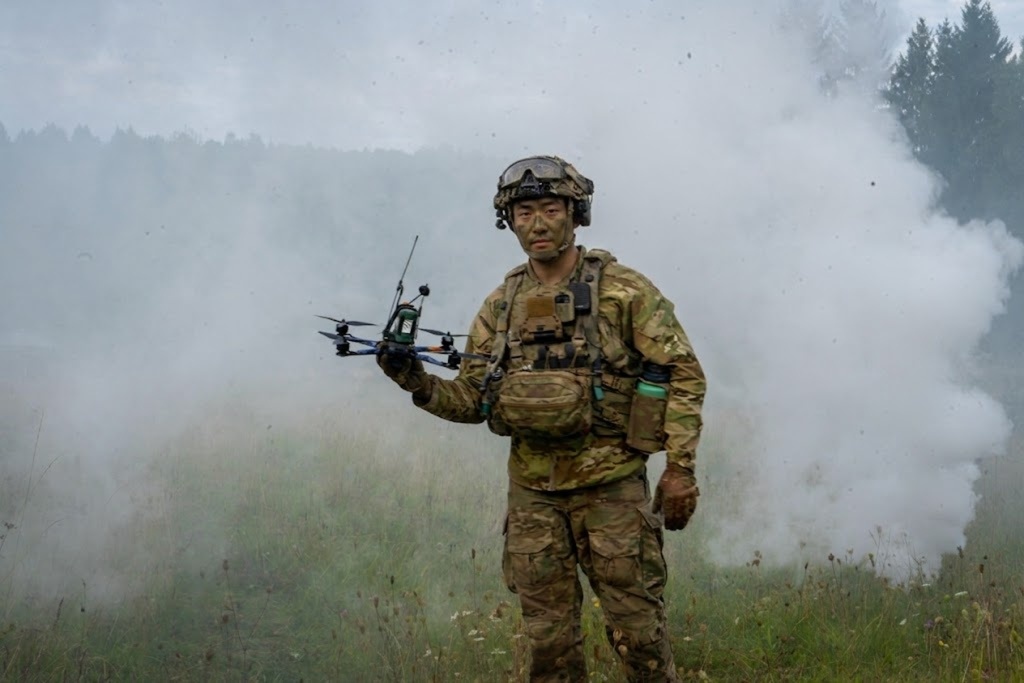
In modern defense operations, mission success often depends not on firepower, but on the availability of critical components when and where they are needed. A grounded vehicle, a damaged drone, or a broken tool can disrupt operations just as effectively as any external threat. As military environments become more complex and supply chains face increasing pressure, traditional manufacturing and logistics models are struggling to keep pace.
For decades, defense organizations relied on the "Iron Mountain" approach—stockpiling large quantities of spare parts and shipping them across extensive supply networks to support operational readiness. While effective in the past, this model is increasingly vulnerable to supply chain disruptions, long lead times, transportation constraints, and rapidly evolving equipment requirements. Today, defense forces require a more agile, secure, and responsive solution.
This is where defense-ready digital manufacturing is changing the game.
- Distributed - capable of producing parts close to the point of need.
- Secure - protected by robust cybersecurity and compliance standards.
- Reliable - able to consistently produce high-performance parts that meet mission requirements.
The Digital Forge: Manufacturing at the Point of Need
The Digital Forge represents a new approach to defense manufacturing by combining advanced hardware, intelligent software, and industrial-grade materials into a connected manufacturing ecosystem. Rather than relying solely on physical inventories, organizations can maintain a secure digital inventory of approved parts and produce them on demand wherever they are required.
This shift enables defense teams to reduce dependence on lengthy supply chains while improving operational flexibility and responsiveness.
Security Built for Defense Environments
In military operations, digital security is just as important as physical security. Design files, manufacturing data, and operational information must remain protected at all times.
The Digital Forge supports this requirement through a security-focused architecture backed by internationally recognized standards such as ISO 27001 certification. Additionally, ongoing efforts toward broader government compliance and authorization frameworks are helping strengthen the platform’s ability to operate within highly secure environments.
As digital manufacturing ecosystems continue to evolve, secure digital inventories can replace large physical stockpiles, allowing organizations to store, manage, and distribute manufacturing data globally while maintaining strict security controls.
Advanced Materials for Mission-Critical Applications
For additive manufacturing to be viable in defense applications, printed parts must perform reliably in demanding environments.
Through Continuous Fiber Reinforcement (CFR) technology, engineers can manufacture components reinforced with materials such as carbon fiber, Kevlar®, and fiberglass. These materials provide exceptional strength, durability, and lightweight performance, making them suitable for a wide range of defense applications.
From drone components and specialized tooling to vehicle accessories and field equipment, advanced composite materials enable the production of parts capable of handling harsh operational conditions while reducing overall system weight.
Consistent Results Wherever They Are Needed
One of the most important requirements in defense manufacturing is repeatability. A part produced in one location must perform identically to the same part produced elsewhere.
Digital manufacturing platforms achieve this through standardized workflows and digital process control. Whether manufacturing occurs in a research facility, maintenance depot, naval vessel, or remote deployment site, the digital design and production parameters remain consistent.
This ensures that every approved component meets the same quality and performance standards, helping maintain equipment readiness across distributed operations.
Moving from "Just-in-Case" to "Just-in-Time"
Traditional defense logistics often rely on maintaining large inventories of spare parts in anticipation of future needs. While effective, this approach can be costly, space-intensive, and inefficient.
Digital manufacturing introduces a more agile "just-in-time" model where parts are produced when needed rather than stored indefinitely. This capability offers several strategic advantages:
- Reduced inventory and storage requirements.
- Lower transportation and logistics costs
- Faster replacement of damaged or unavailable components.
- Rapid prototyping and deployment of new solutions.
- Support for legacy systems with obsolete or discontinued parts.
By manufacturing on demand, defense organizations can respond more quickly to changing operational requirements while minimizing logistical burdens.
Future-Proofing Military Readiness
As defense missions become increasingly dynamic, the ability to manufacture parts securely and on demand is emerging as a critical strategic capability. Digital manufacturing enables military organizations to adapt faster, maintain equipment readiness, and reduce dependence on vulnerable supply chains.
Rather than waiting for parts to arrive from centralized facilities, personnel can access a secure digital inventory and produce mission-critical components wherever they are needed. This shift transforms manufacturing from a logistical challenge into a strategic advantage.
The future of defense readiness will not be defined solely by the size of physical inventories, but by the ability to deliver the right part, at the right place, at the right time. Defense-ready digital manufacturing is making that future a reality.
If your organization is looking to adopt advanced 3D printing and digital manufacturing solutions in Singapore, consider partnering with Chemtron Pte Ltd. As a leading provider of industrial additive manufacturing technologies, Chemtron offers a comprehensive portfolio of 3D printing solutions, including Markforged composite and metal 3D printers, materials, technical support, training, and implementation services. With decades of experience supporting industries such as aerospace, defense, manufacturing, healthcare, and education, Chemtron helps businesses accelerate innovation, reduce supply chain dependencies, and unlock the full potential of digital manufacturing. Contact their team today to explore how 3D printing can transform your operations and strengthen your production capabilities.
Download the Free Report on How COVID-19 has Impacted Supply Chains
Gain key insights including: COVID-19 pandemic impact on business. 3D printing use during the health pandemic. Challenges facing manufacturers using incumbent technology. Future plans for investing in additive manufacturing. And more...
Get the report